
Window Replacement Options in Jacksonville
Retained-frame and full-frame replacement compared
Window replacement begins with the existing frame, not a brand name. Compare insert and full-frame options, verify the opening requirements, and request a written scope before ordering for a Jacksonville home.
Decide what actually needs replacing
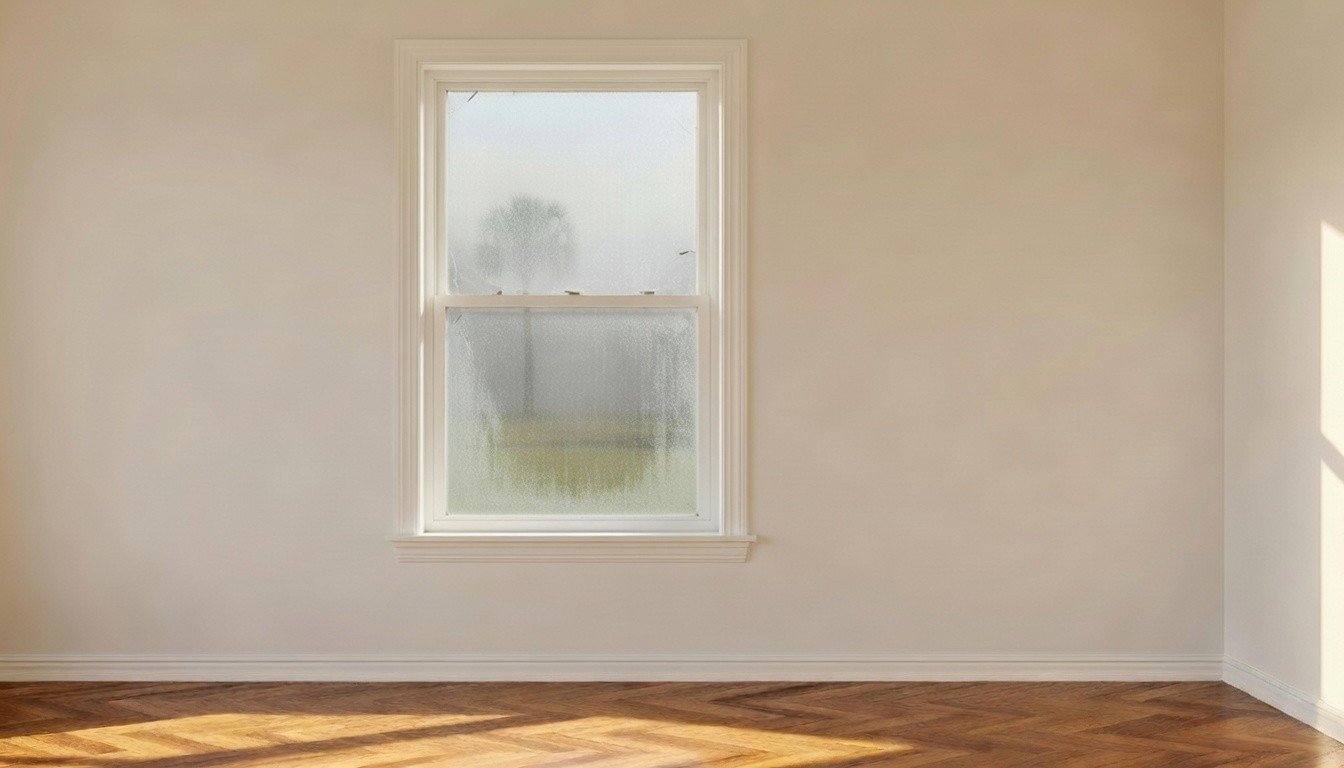
A stuck sash, cloudy glass, and a wet wall are different problems. Start a room-by-room record showing where the trouble occurs, whether it follows rain, and whether the sash opens and locks normally. Moisture trapped between panes can point toward an insulated-glass problem without proving that the surrounding frame has failed. Soft wood, distorted frames, or recurring water at the wall need a broader assessment.
Ask for a repair alternative when the supporting assembly is sound. The window repair guide covers hardware and sash problems; glass repair explains pane and sealed-unit options. A replacement proposal should identify what repair would leave unresolved.
Insert versus full-frame replacement
An insert fits within a retained frame. It can preserve surrounding finishes, but it relies on that frame being suitable and may reduce the visible glass and usable opening. Request an explanation of how the existing sill, frame, and attachment area will be evaluated rather than treating less demolition as an automatic advantage.
Full-frame replacement removes more of the existing assembly and gives access to the opening and water-management details. It can also involve trim, stucco, siding, or drywall work. List which finishes will be restored, who handles painting, and how concealed deterioration will be documented and priced before additional work proceeds.
Compare measurable performance
The NFRC label describes whole-window energy performance. U-factor concerns heat transfer; solar heat gain coefficient describes the solar heat admitted; visible transmittance concerns daylight. Compare the exact model and glass option rather than relying on a showroom label for a different configuration. A low solar heat gain coefficient may help address afternoon heat, while tint and visible transmittance affect how the room looks.
Energy ratings do not establish hurricane impact resistance. Wind-pressure suitability, debris protection, and installation limitations require separate documentation. Use the impact-window guide when comparing opening-protection approaches. No rating alone predicts your utility savings or insurance premium.
Resolve the local approval path
Jacksonville Building Inspection administers the city permitting process and publishes JaxEPICS submission guidance. A Jacksonville mailing address should not substitute for checking the property jurisdiction. Jacksonville Beach has its own building department, Orange Park has a town building division, and projects in unincorporated Clay or St. Johns County follow the relevant county process.
For locally designated Jacksonville historic districts or landmarks, the city describes a Certificate of Appropriateness process that includes exterior window work. Obtain the applicable review before committing to a nonreturnable order. Historic compatibility, HOA permission, and building-code compliance are separate questions; approval from one does not settle the others.
Make bids comparable opening by opening
Ask each bidder to use the same numbered window schedule. Include size, operating style, frame color, glass specification, screens, grids, removal method, permit responsibility, disposal, and finish repairs. Require model identifiers and the applicable product approval documents. A description such as premium double-pane vinyl is not enough to compare two otherwise different assemblies.
Separate manufacturer coverage from installation coverage and ask who handles a future claim. Specify deposits, cancellation provisions, access equipment, delivery assumptions, and the procedure for damaged or incorrect products. The cost planning guide can organize quote questions, but only a project-specific written offer establishes the price.
Compare independent replacement contractors
Ask who will inspect the openings, prepare the quote, hold the permit and supervise installation. Record the legal contracting name rather than only a sales representative’s name. Verify the appropriate license and insurance independently, and ask how subcontracted work and warranty questions will be handled.
Compare each contractor’s proposed remedy for the same numbered openings. If one recommends glass repair and another full-frame replacement, ask what condition explains the difference and how it will be documented. Keep product substitutions, concealed-damage approval and finish repairs in the written agreement. Read the referral disclosure; this website does not establish a contractor’s availability or qualifications.
Prepare for installation and closeout
Agree on furniture clearance, pets, security sensors, exterior landscaping, and safe access before work begins. Older painted windows may raise lead-safe renovation requirements; EPA guidance addresses paid work disturbing paint in pre-1978 housing. Ask how the contractor will evaluate applicability and protect occupants rather than scraping suspect surfaces yourself.
At closeout, operate each sash, check locks and screens, and note visible finish issues. Collect required inspection results, product labels, care instructions, and warranty terms. Keep drainage paths clear according to manufacturer instructions. For additions or changes to the opening itself, review new window installation; return to the services hub to compare the full scope.
Frequently asked questions
Do all the windows need to be replaced together?
Not necessarily. A room-by-room inspection can identify openings that need attention now and others that remain serviceable. Phasing may help coordinate budgets or occupied rooms, but discuss appearance matching, repeat mobilization, permit scope, and any code implications. Do not divide a project to evade approval requirements. Keep a record of the exact model if future matching matters. See the front-elevation planning guide.
Does fog between panes mean a full replacement?
It does not establish that by itself. If the frame, sash, and hardware remain suitable, a replacement insulated glass unit may be an option. A technician must check compatibility and the condition supporting the glass. Condensation on an accessible indoor or outdoor surface is a different issue, so identify where the moisture sits before requesting a full-window quote. See the glass-only repair guide.
Are impact windows mandatory throughout Jacksonville?
There is no reliable citywide yes-or-no answer for every existing opening. The address, applicable code, exposure, building characteristics, and alteration scope determine requirements. Approved opening protection may involve impact-resistant assemblies or another accepted system. Ask the permitting authority and qualified designer to identify the requirements for this project rather than using proximity to the ocean as the sole test. See the impact and opening-protection guide.
Can an insert make a bedroom opening smaller?
An insert can reduce the clear opening because the retained and new frames occupy space. The important bedroom question is the usable opening with the sash fully operated, not only the rough frame dimensions. Have the installer document the applicable emergency escape and rescue requirements and any existing-building provisions before selecting a replacement style or accepting a reduced opening. See the new-opening planning guide.
Will replacement windows lower my bills?
They may improve thermal performance, but the result depends on existing windows, shading, air leakage, thermostat settings, HVAC condition, and occupancy. Compare NFRC values and consider a broader energy assessment if the main concern is comfort. Ask for product-specific evidence rather than a promised percentage saving or payback period. See the quote and cost planning guide.
How long should I allow for the project?
Separate measuring, approvals, fabrication, delivery, installation, and inspections. Each can affect the calendar, especially with custom shapes, historic review, concealed repairs, or weather interruptions. Ask for a written schedule with dependencies and a plan for keeping the house secure if work pauses. A promised installation day is not the same as a verified product delivery date. See the new-opening planning guide.
What should I retain after the work?
Keep the signed scope, changes, invoices, product approval references, model information, inspection records, and both product and labor warranty terms. Photograph identifying labels before they are removed or obscured. These records help with maintenance, later matching, resale questions, and any insurer review, but their existence does not by itself guarantee insurance credits or establish that every installation detail was correct. See the service-scope overview.
Sources and next checks
- City of Jacksonville Building Inspection Division
- Jacksonville Certificate of Appropriateness process
- NFRC consumer window buying guide (efficientwindows.org)
- Florida Building Commission product approval search (floridabuilding.org)
- EPA Lead Renovation, Repair and Painting Program (epa.gov)
Requirements and product listings can change. Confirm the applicable requirements with the authority responsible for the property.
Cloudy and clear window glass
Related planning guides
- Jacksonville Window Replacement Planning Guide
- Hurricane Impact Windows in Jacksonville
- Window Repair Decisions in Jacksonville
- New Window Installation in Jacksonville
- Sliding and Patio Door Replacement in Jacksonville
- Front Window Replacement in Jacksonville
- Window Screen Replacement in Jacksonville
- Jacksonville Window Replacement Cost Factors
- Window Replacement in Jacksonville Beach
- Window Replacement in Jacksonville: Permit Guide
- Window Replacement in Orange Park: Local Guide
- Window Replacement in Ponte Vedra Beach
- Window Replacement in St. Johns: Local Guide
- How to Measure Replacement Windows